
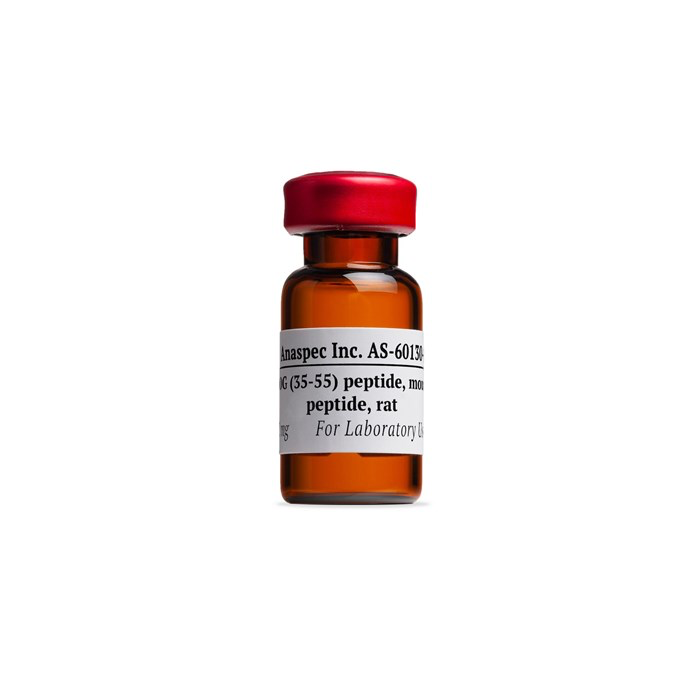
MOG (35–55) refers to a specific peptide fragment derived from myelin oligodendrocyte glycoprotein (MOG), a proteinglycoprotein (MOG), a protein found on the surface of myelin sheaths in the central nervous system. The 35–55 amino acid sequence is widely used in laboratory research because it is highly immunogenic in certain animal models. Scientists use this peptide to study autoimmune responses related to demyelinating diseases, as it can trigger an immune reaction when introduced under controlled experimental conditions.
In mouse models, MOG (35–55) is commonly used to induce experimental autoimmune encephalomyelitis (EAE), which serves as a research model for multiple sclerosis (MS). When administered with specific adjuvants, the peptide stimulates T-cell–mediated immune responses that target myelin. This leads to inflammation and neurological symptoms in the animals, allowing researchers to observe disease progression and test potential therapeutic strategies in a controlled environment.
Rats are also used in MOG-related research, although the specific peptide sequences and protocols may differ slightly depending on the strain. Like mice, rats can develop EAE when exposed to MOG peptidesMOG peptides, but their immune response characteristics can vary. These differences are valuable for scientists because they help identify species-specific immune mechanisms and provide broader insight into autoimmune processes.
The MOG (35–55) peptide has become a standard tool in preclinical research because of its reproducibility and well-characterized effects in laboratory animals. By studying how mice and rats respond to this peptide, researchers gain insight into immune regulation, neuroinflammation, and potential treatment pathways. This work contributes to the understanding of diseases that affect myelin and the nervous system.
- Overall, MOG (35–55) research using mouse and rat models plays a significant role in advancing neuroimmunology. These animal studies allow scientists to explore disease mechanisms and evaluate experimental therapies before moving toward clinical research. Ethical oversight and strict laboratory protocols are essential to ensure that such studies are conducted responsibly and contribute meaningfully to medical science.


Reviews
There are no reviews yet.