
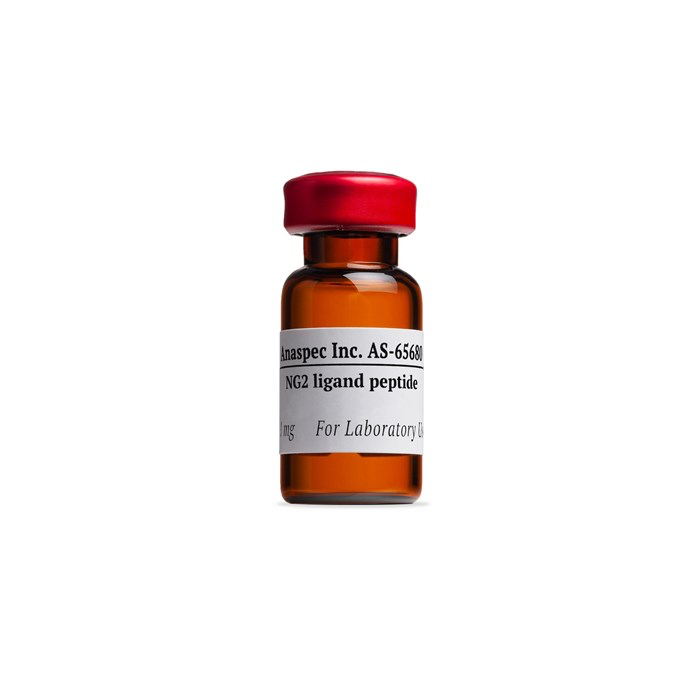
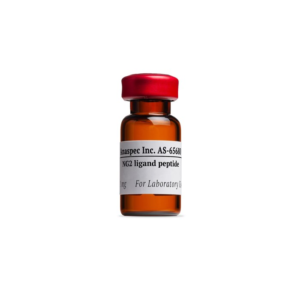
NG2 ligand peptide – 1mg
NG2-binding peptide also known as NG2 ligand peptide, was identified using a phage-displayed peptide library. This peptide is known to bind NG2 a membrane proteoglycan, homologous to the melanoma-associated antigen. Results of additional in vitro and in vivo assays imply that NG2 ligand peptide can be used for tumor targeting.
NG2 ligand peptide (1 mg) refers to a synthetic research peptide designed to bind specifically to NG2, also known as chondroitin sulfate proteoglycan 4 (CSPG4). NG2 is a transmembrane proteoglycan expressed on certain cell types, including oligodendrocyte precursor cells and various tumor cells. Peptide sales Because of its role in cell proliferation, migration, and angiogenesis, NG2 has become an important molecular target in neuroscience and oncology research. The NG2 ligand peptide is developed to selectively recognize and attach to this protein for experimental purposes.
At a quantity of 1 mg, the peptide is typically supplied for laboratory use, where it may be reconstituted and diluted according to research protocols. Peptides at this scale are commonly used in in vitro assays, cell culture experiments, and preclinical investigations. Accurate measurement and proper storage are essential to maintain stability and biological activity. Researchers handle such compounds under controlled conditions to ensure reproducibility and reliability of results.
Functionally, NG2 ligand peptides are often explored as targeting tools. By binding to NG2-expressing cells, they can be conjugated to imaging agents, nanoparticles, or experimental therapeutic compounds. This targeting approach may improve precision by directing substances toward specific cell populations while minimizing exposure to non-target tissues. Such strategies are particularly relevant in tumor biology, where NG2 expression is associated with certain aggressive cancers and tumor vasculature.
In neuroscience research, NG2 is also significant because it marks a population of precursor cells involved in myelin repair and central nervous system plasticity. Studying ligand peptides that interact with NG2 helps scientists better understand cell signaling pathways, regeneration mechanisms, and the microenvironment of neural tissues. These insights may contribute to future advances in regenerative medicine and disease modeling.
Overall, NG2 ligand peptide (1 mg) serves as a valuable molecular tool in biomedical research. Its targeted binding properties support investigations into cancer biology, neurodevelopment, and cell communication. Continued study of NG2 interactions may expand knowledge of disease mechanisms and guide the development of more selective diagnostic and therapeutic approaches.
Reviews
There are no reviews yet.